Take a good look at this old snapshot. Dustin Hoffman was merely a scrawny, uncoordinated young man who thought he would never measure up to the Hollywood norm before the accolades, the iconic movies, and the memorable roles.
Dustin was shy, quiet, and afraid of failing. He was born in Los Angeles to parents who hoped for safer vocations for him. He had a hard time in school and frequently believed that his peers were more intelligent, cool, or self-assured than him. Nobody thought of this child as a future Hollywood icon.
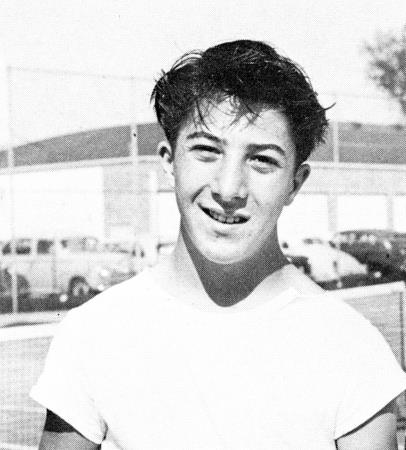
Dustin’s true ambition was to become a pianist rather than an actor. He didn’t start acting until a friend persuaded him to do so. He made the decision to give it a shot, but he repeatedly failed. He was informed by acting instructors that he lacked the necessary height, good looks, and charm. He was often turned down by casting directors.
Hollywood desired leading man appearances and flawless grins. Dustin Hoffman, on the other hand.
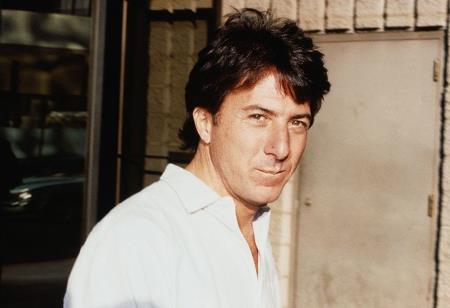
However, he possessed something far more uncommon: emotional depth, honesty, vulnerability, and unadulterated talent. Acting like a movie star was not his goal. He was just real.
Dustin was cast in The Graduate in 1967. He was cast in a romantic lead role that nobody had anticipated for him. The entire industry reassessed what a leading guy could look like after the film’s release. Dustin Hoffman was more than simply an actor all of a sudden. He came to represent a new era that prioritized genuineness over refinement.

Dustin changed himself entirely for each job. He was hailed by critics as one of the best actors in movie history. For the same reason, fans adored him.
Beneath the celebrity, however, was the same humble individual who had before questioned his place in the world.
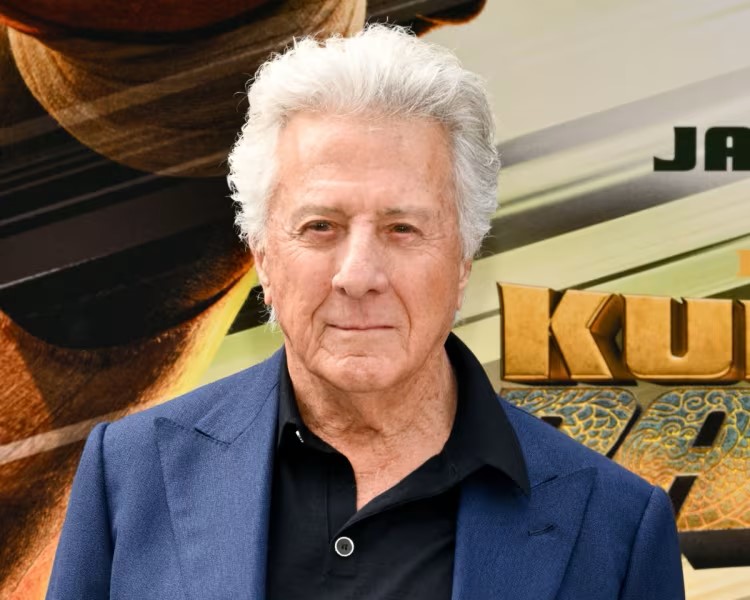
Dustin struggled with self-criticism, personal hardships, and insecurities, yet he used all of this in his work. His accomplishments served as evidence that the underdog can occasionally change the rules rather than just rise to the top.
Being great isn’t about being flawless, as Dustin Hoffman’s career serves as a reminder. Occasionally, it belongs to the person who was told they had no chance.